
Travel & Expense Payouts: Empowering Teams on the Move







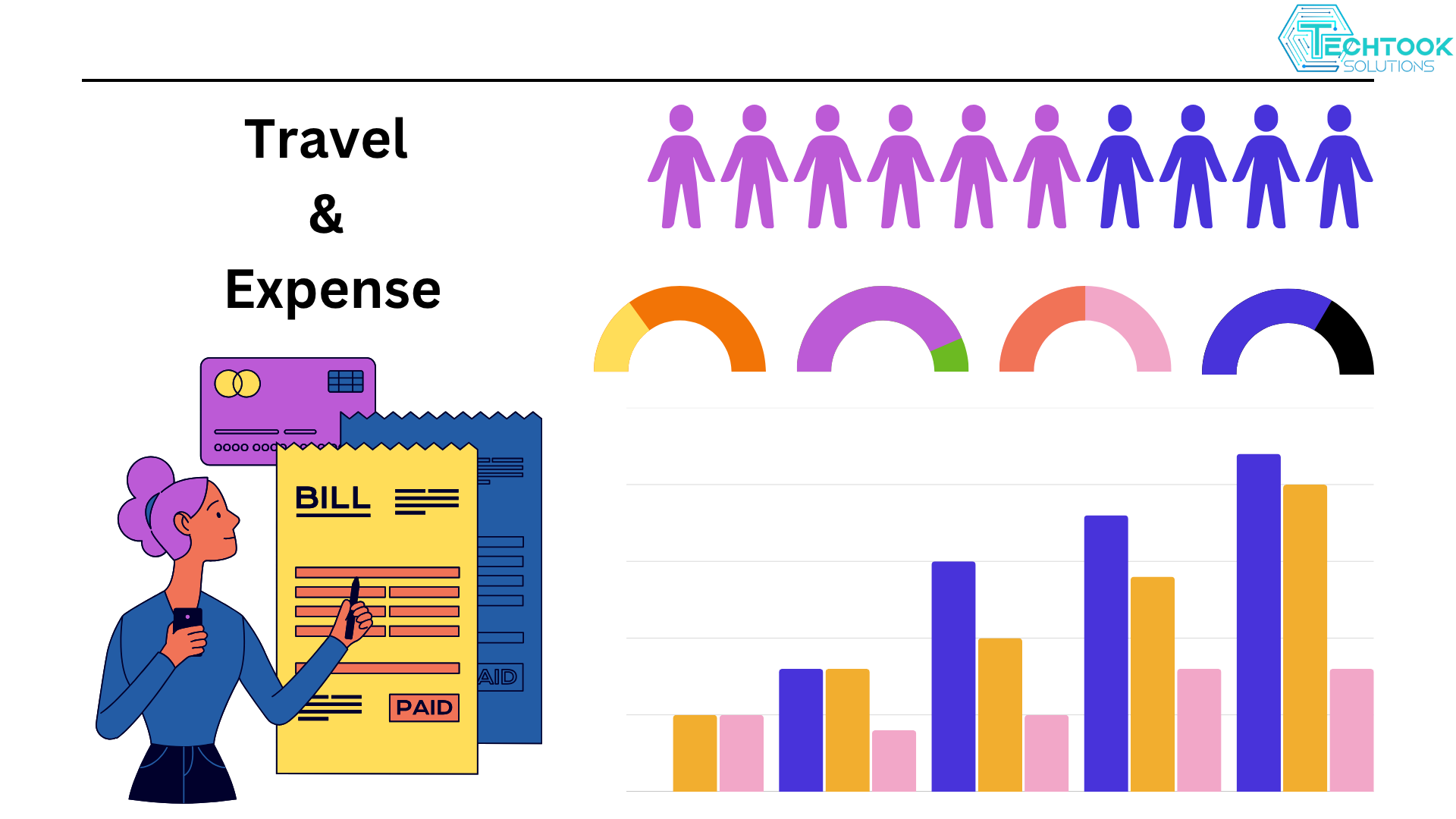
As organizations grow and expand across geographies, business travel and employee-incurred expenses become inevitable. Whether it's a sales executive attending a client meeting, a project manager visiting a construction site, or a remote employee purchasing work-related tools, reimbursing these expenses accurately and promptly is critical for operational efficiency and employee morale. This is where a well-defined Travel & Expense (T&E) Payout policy plays a pivotal role.
What Are Travel & Expense Payouts?
Travel & Expense payouts are reimbursements made by an organization to its employees or contractors for costs incurred during official duties. These may include transportation, lodging, meals, internet usage, fuel, tolls, and other work-related expenses. Payouts are usually made post-trip or monthly, following an approval process and submission of expense reports or receipts.
Why Travel & Expense Payouts Matter
- Supports Field Operations: Enables seamless execution of travel-dependent roles like sales, service, and logistics.
- Boosts Employee Trust: Timely reimbursements show organizational transparency and care.
- Promotes Cost Control: Helps track and manage spend across departments and roles.
- Ensures Tax Compliance: Accurate expense reporting is critical for GST or income tax deductions and audits.
Typical Reimbursable Expenses
- Airfare, train tickets, taxis, and fuel
- Hotel accommodations and meals
- Conference or event registration fees
- Office supplies or business-related purchases
- Mobile/internet data charges while traveling
Common Challenges in T&E Payouts
Without a structured process, managing T&E payouts can lead to:
- Delayed Reimbursements: Caused by manual approval bottlenecks or incomplete documentation.
- Policy Violations: Claims outside company norms or lacking receipts.
- Fraud & Duplication: False or double claims by employees.
- Lack of Visibility: Difficult to track department-wise spending in real time.
Best Practices for Managing T&E Payouts
- Create a Clear Policy: Define what can and cannot be reimbursed with limits and per diem rates.
- Use a Reimbursement Workflow: Ensure managers approve claims based on pre-set rules.
- Digitize Receipt Submission: Allow employees to upload bills via mobile or web portals.
- Automate Calculations: Use tools to auto-calculate currency conversions, taxes, and limits.
- Audit Regularly: Monitor claims to prevent misuse and identify spending patterns.
Top Tools for T&E Automation
Modern businesses use platforms like Zoho Expense, Expensify, Concur, or Happay to simplify T&E processes. These systems offer features such as real-time policy checks, automated payouts to bank accounts, mobile receipt scanning, multi-level approvals, and detailed analytics.
Tax & Regulatory Compliance
In most regions, business-related travel and expense reimbursements are tax-deductible, provided proper documentation and approvals are maintained. In India, GST input credit may also be claimed on eligible expenses like air travel or hotel stays, provided invoices are in the company’s name and linked to the GSTIN.
Conclusion
Travel and expense payouts are more than just reimbursements—they’re enablers of mobility, flexibility, and productivity. A streamlined T&E process ensures that employees stay focused on their tasks without financial stress, while businesses retain control and visibility over operating costs. Investing in automation and transparent policies not only reduces manual work but builds a culture of accountability and fairness.